

With rising health awareness and the trend of at-home workouts, more people are turning to yoga and pilates as part of their routine to maintain physical and mental well-being. As a result, the market for yoga related products continues to expand.
For brand owners and procurement professionals, growing demand is certainly good news but it also brings new supply chain challenges. At a critical stage of brand development, having a supplier capable of stable and reliable delivery is essential. Choosing a manufacturing partner with consistent foaming technology and strong lead-time management can be a decisive factor in achieving sustainable growth in the market.
1. Supply Chain Challenges Driven by Market Growth: Why “Stability” Matters
While the yoga and fitness products market is growing, opportunities often come with increased supply pressure. Many brands may face the following challenges during periods of rising demand:
- Raw Material Shortages: Prices and availability of TPE (Thermoplastic Elastomer) and POE (Polyolefin Elastomer) can fluctuate significantly. Manufacturers lacking long-term, stable relationships with raw material suppliers are prone to material shortages during peak seasons.
- Delivery Delays: High market demand can overload factory capacity, making production scheduling difficult
and making delayed deliveries especially during peak seasons. - Inconsistent Quality: In an effort to meet deadlines, some manufacturers may compromise on quality, such as foam density, overall performance, or durability. This results in quality issues such as uneven cell structures, residual odors, or thickness deviations.
For brands, unstable product quality including unpleasant odors, reduced anti-slip performance, or dimensional inconsistencies can damage brand image and credibility. Therefore, partnering with a manufacturer that has strong R&D capabilities and stable mass production capacity is crucial for long-term success.
2. Stable Foaming Technology: The Foundation of Product Performance and Trust
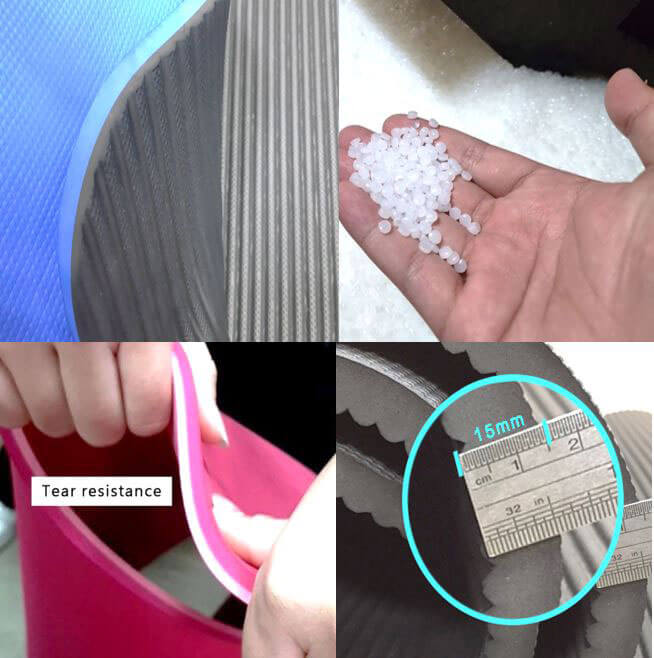
The core value of yoga mats and sports flooring lies in foam quality. A stable foaming process ensures proper cushioning and support, while enabling precise control over thickness and elasticity.
A high-quality supply partner should offer full-process control
from raw material formulation to foam molding. This includes:
- Consistent Physical Properties: Maintaining uniform quality across every shipment. Dimensions, hardness, and thickness are strictly controlled within standardized parameters to achieve over 95% consistency, effectively reducing post-purchase return rates for the brand.
- Compliance with Environmental and Safety Standards: Meeting international regulations such as REACH and RoHS is essential for both procurement and end consumers.
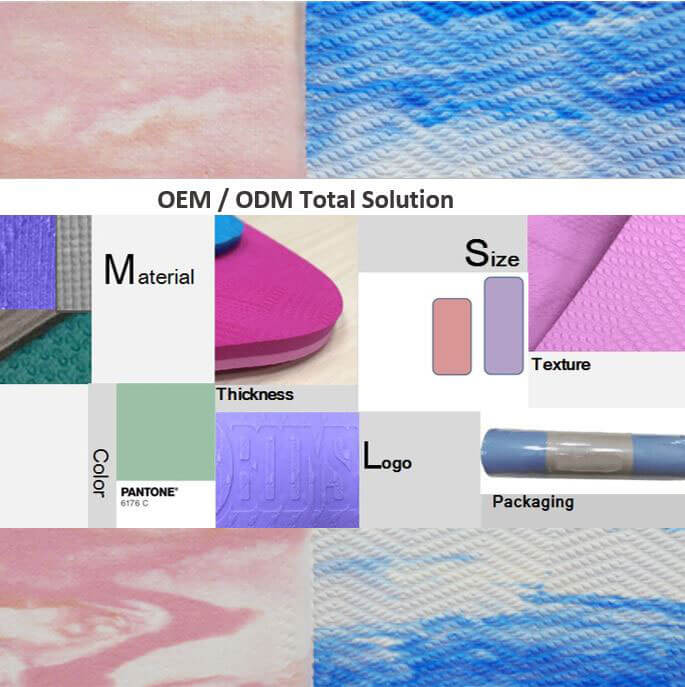
- In-house R&D Expertise: Supporting clients from development and prototyping to mass production, fulfilling OEM/ODM requirements in both functionality (such as enhanced anti-slip properties and ultra-lightweight designs) and aesthetic elements (exclusive embossed textures and dual-color lamination).
- Proprietary Formulation Development: A professional supplier can adjust material formulations based on different usage scenarios (e.g., high-intensity workouts vs. static yoga) to achieve optimal cushioning and support. With growing environmental awareness, it is important to possess the ability to incorporate recycled materials and produce GRS certified products. This helps brands cultivate "Green Product Lines" and uphold a spirit of environmental sustainability.
3. Lead Time Management: The Strongest Support During Brand Expansion
In the fast-paced era of e-commerce, stockouts or insufficient inventory can directly hinder revenue growth and lead to lost customers. Reliable suppliers help brands expand by ensuring stable delivery through:
- Dynamic Capacity Adjustment: Flexible production scheduling to handle promotional seasons or unexpected large orders while maintaining product quality and timely shipment.
- Transparent Production Tracking: Allowing procurement teams to monitor production progress in real time, reducing communication costs and uncertainty.
4. Why Choose Successful Mat as Your Reliable Partner?
In Taiwan’s sports mats manufacturing industry, Successful Mat is committed to excellence in both technology and quality. We understand the challenges faced by procurement professionals and offer one-stop services from material consultation and sampling to mass production.
- Advanced Foaming Technology: Providing a wide range of TPE/POE solutions to meet diverse sports mat and yoga mat requirements.
- Strict Quality Control: Every batch undergoes rigorous testing to ensure top-tier product delivery.
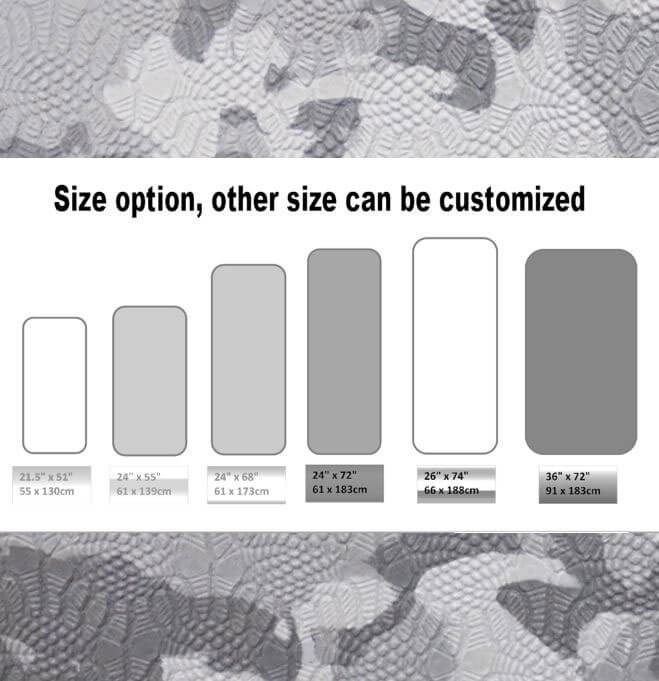
- Flexible Customization: Extensive OEM/ODM experience enables us to deliver unique textures, patterns, and exclusive color designs.
- Dynamic Production Capacity: Flexible scheduling to meet seasonal promotions or urgent orders while ensuring quality and on-time delivery.
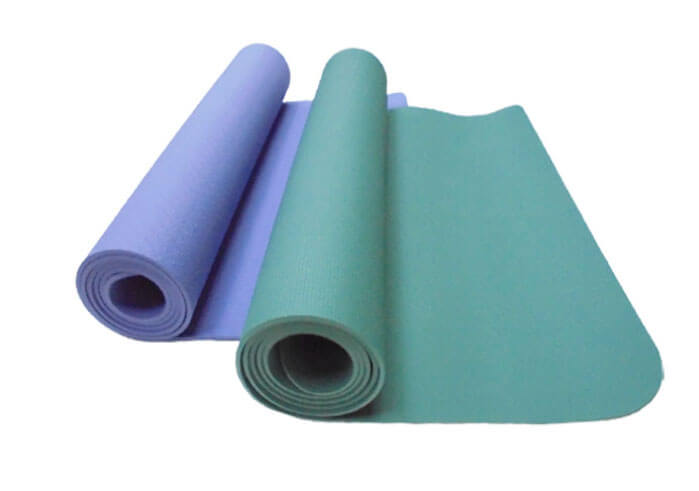
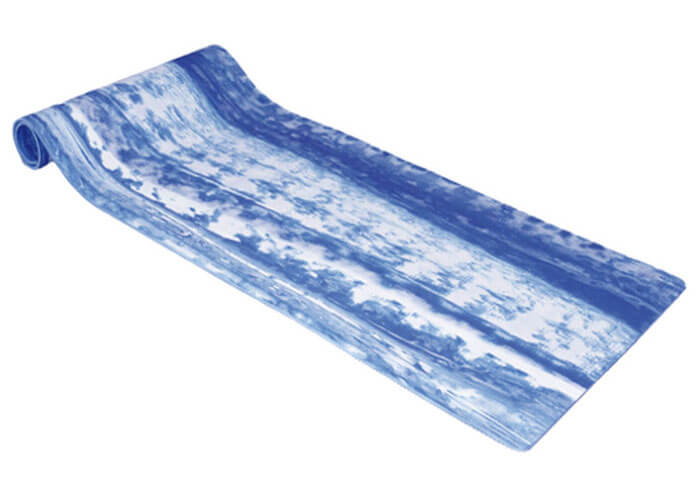
If you are looking for a reliable partner to support brand expansion and deliver premium product quality, contact the Successful Mat Co., Ltd. team today and let us provide a solid foundation for your brand’s growth.
FAQ
Q1: Why is “density” so important for TPE/POE mats in product sales?
Density determines support and rebound performance. Low-density mats may reduce costs but can increase the risk of ankle injuries and product returns. Successful Mat’s TPE/POE foaming technology precisely controls density, ensuring both lightweight performance and effective protection and support.
Q2: How do you ensure on-time delivery for urgent orders?
Successful Mat operates with an optimized production management system and a stable raw material supply chain. We establish demand forecasting with clients, reserve production capacity in advance, and flexibly adjust production lines to minimize delivery delays.
Q3: Do your sports mats meet international environmental certifications?
Yes. With years of experience in global markets, all Successful Mat’s TPE/POE products comply with major environmental standards in Europe and the Americas. They are free from harmful substances such as heavy metals and plasticizers, and can be supported with relevant certification reports to help brands expand internationally.