

When you walk into a yoga studio or browse an online fitness catalog, rows of colorful yoga mats may look nearly identical to the untrained eye. However, as a business owner, procurement officer, or fitness brand manager, you know that what truly affects customer satisfaction, stability, and safety isn’t the color or pattern—it is the material engineering.
At Successful Mat, we frequently hear from buyers dealing with end-user complaints:
- “Why do our customers complain that their mats become slippery during hot yoga?”
- “Why do our studio rental mats never seem to dry properly after washing?”
The answer lies in the microscopic structure of the mat. Aside from natural options like cotton or cork, most modern yoga mats are made from plastic or synthetic foams. Within these foam materials, there are two major structural types you must understand before making a bulk purchase: Open-Cell and Closed-Cell.
Understanding how these foam structures work will help you source the exact mats that fit your target market's practice style, reducing return rates and elevating your brand's reputation.
What Is Foam? The Foundation of Modern Yoga Mats
Foam is everywhere in our daily lives. It is a highly versatile material with a wide range of applications across industries, from furniture and construction to sports gear and medical equipment. Foam is created through a specific manufacturing process called foaming, which forms countless tiny air pockets inside the base material.
Depending on how we engineer these air pockets and whether they connect to each other, the foam behaves entirely differently. There are two main structures: open-cell (where the cells are interconnected) and closed-cell (where each cell is sealed off). Yoga mat manufacturers utilize these specific properties to achieve precise levels of cushioning, grip, weight, and durability tailored to different consumer needs.
Open-Cell vs. Closed-Cell Yoga Mats: A Quick Comparison
To help you make the best sourcing decision for your business, we have compiled a structural comparison of the two foam types.
| Feature | Open-Cell Foam Mats | Closed-Cell Foam Mats |
| Cell Structure | Interconnected air pockets | Sealed, individual air pockets |
| Moisture Handling | High Absorbency (absorbs sweat/water) | Non-Absorbent (sweat stays on surface) |
| Wet Grip / Traction | Exceptional (grip increases with sweat) | Low to Moderate (can become slippery) |
| Weight | Denser and slightly heavier | Lightweight and travel-friendly |
| Maintenance | Requires deep cleaning & longer drying | Easy to wipe clean, fast-drying, hygienic |
| Common Materials | Natural Rubber, Polyurethane (PU) | TPE, PVC, NBR, POE |
| Best Target Market | Hot Yoga, Power Yoga, Advanced Yogis | Beginners, Yin Yoga, Gyms, Home Workouts |
As shown in the table above, the choice between open-cell and closed-cell directly impacts the end-user's experience. Let’s dive deeper into what makes each type unique.
Deep Dive: Open-Cell Yoga Mats for Maximum Grip
A Top Choice for High-Performance Studios
Open-cell foam contains air pockets that are interconnected. This structure allows the material to breathe, absorb moisture, and provide exceptional wet traction. If your customers have ever taken a hot yoga class while dripping with sweat yet still felt firmly grounded, they were likely using an open-cell yoga mat.
Key Features of Open-Cell Yoga Mats
- Outstanding Wet Grip: The more moisture it absorbs, the more grip it provides—making movements incredibly stable during sweaty or intense practices.
- High Absorbency: Sweat, oils, and water easily penetrate the material. For studio owners, this means you must implement regular deep cleaning protocols or use dedicated mat-cleaning products.
- Longer Drying Time: Because the material absorbs water, it requires excellent ventilation after washing to prevent mildew.
- Premium Density (Slightly Heavier): Open-cell mats tend to be denser, which drastically increases stability and floor-grounding but slightly reduces portability.
- Care-Dependent Lifespan: If not cleaned or dried properly by the user, retained moisture can cause faster wear and tear.
Common Open-Cell Materials: Natural Rubber, Polyurethane (PU).
These materials are the gold standard for high-performance yoga mats and are beloved for their superior grip. Natural rubber, in particular, is a top seller for experienced practitioners.
Best Market Fit:
- Hot Yoga and Power Yoga studios
- Vinyasa / Flow Yoga practitioners
- Consumers with sweaty hands/feet who prioritize grip over portability
Deep Dive: Closed-Cell Yoga Mats for Low-Maintenance Durability
Lightweight, Hygienic, and Beginner-Friendly
Closed-cell foam features sealed, non-connected air pockets. This gives the surface a dense, smooth, and highly durable feel. Unlike open-cell mats, closed-cell foam completely blocks water absorption, forcing sweat and bacteria to stay on the surface.
Key Features of Closed-Cell Yoga Mats
- 100% Non-Absorbent: Sweat stays strictly on the surface, making post-class cleaning incredibly quick and simple.
- Fast-Drying and Hygienic: A simple wipe-down with a damp cloth and mild cleaner is all it takes. This makes it the perfect rental mat for busy commercial gyms.
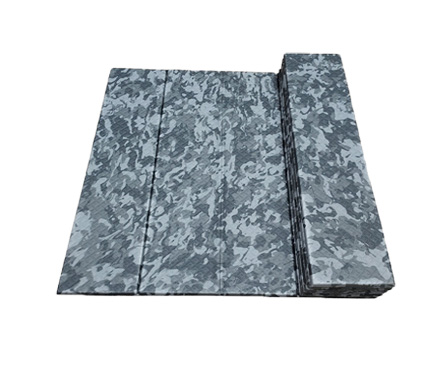
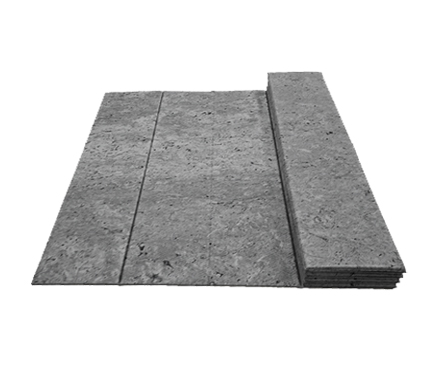
- Lightweight and Travel-Friendly: Ideal for consumers who commute to class or travel frequently. Many closed-cell mats can even be designed to be foldable.
- Highly Durable against Aging: Because moisture cannot penetrate the core structure, the mat is far less prone to structural degradation or aging over time.
- Limitations to Consider: They can become slippery when wet. They are not ideal for intense, sweaty flows unless paired with a yoga towel.
Common Closed-Cell Materials: TPE, PVC, NBR, POE.
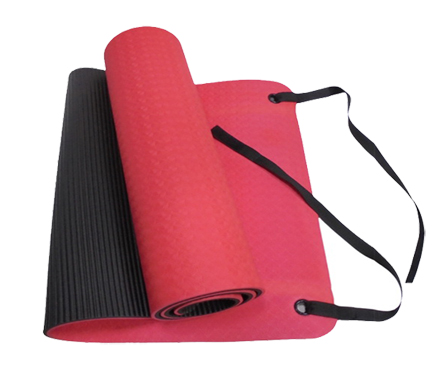
These mats are widely available, highly cost-effective for mass-market retail, and come in a vast variety of thickness options—from plush 10mm Pilates mats to ultra-thin travel mats.
Best Market Fit:
- Yin Yoga, Restorative Yoga, and Meditation classes
- Gentle stretching, core exercises, and home workouts
- Beginners, occasional practitioners, and budget-conscious buyers
Elevate Your Brand with Successful Mat's Manufacturing Expertise
Choosing between open-cell and closed-cell foam ultimately comes down to understanding your specific customer base. Do they need high-intensity grip, or do they value lightweight, hygienic convenience? At Successful Mat, we have decades of B2B manufacturing experience helping global brands, retailers, and studio chains design the perfect product lines. We utilize advanced, sustainable foaming technologies to produce mats that meet strict international quality standards. Whether you are looking for premium open-cell PU rubber mats for advanced yogis or lightweight, closed-cell TPE or POE mats for mass retail, we have the production capability to meet your exact specifications. We invite you to explore our premium range of eco friendly exercise mat to see how our innovative materials can elevate your product offerings.
Partner with Us Today
Providing the right yoga mat ensures your customers stay safe, comfortable, and loyal to your brand. Don't let sub-par materials hurt your business reputation. If you are ready to source high-quality, customized yoga mats, or if you need expert advice on which foam structures best fit your upcoming product line, reach out to our team of specialists. Contact Successful Mat today, and let us help you build a more successful, sustainable fitness brand.
Frequently Asked Questions (FAQ) for Yoga Mat Buyers
- What is the main difference between open-cell and closed-cell yoga mats?
The primary difference lies in the microscopic air pockets. Open-cell foam has interconnected pockets that absorb moisture and sweat, offering superior grip for intense workouts. Closed-cell foam has sealed pockets that block moisture, making the mat lightweight, non-absorbent, and very easy to clean. - Which yoga mat material is best for hot yoga studios?
For hot yoga, open-cell materials like Polyurethane (PU) and Natural Rubber are the best choices. Because they absorb sweat, they actually become more grippy as the user perspires, preventing dangerous slipping during complex poses. - Are closed-cell yoga mats easier to maintain for commercial gyms?
Yes. Closed-cell mats (like TPE, POE or PVC) do not absorb sweat, oils, or bacteria. Gym staff can easily spray and wipe them down between classes, and they dry almost instantly, making them the most hygienic and low-maintenance option for high-traffic environments. - How do I know if my retail inventory should feature Natural Rubber ,TPE or POE?
It depends on your target audience. If you cater to intermediate/advanced yogis or premium boutique studios, stock Natural Rubber (open-cell). If your target market consists of beginners, travelers, or budget-conscious consumers looking for lightweight home-workout gear, both of TPE and POE (closed-cell) is the ideal choice. - Can Successful Mat customize both open-cell and closed-cell mats for my brand?
Absolutely. Successful Mat is a leading B2B manufacturer capable of fully customizing both open-cell and closed-cell mats. We offer tailored solutions for thickness, density, color, texture, and custom logo branding to align perfectly with your company's vision and target market.